
The Break-In Myth: What Really Happens When You Wear Quality Leather Boots
Share
The Break-In Myth: What Really Happens When You Wear Quality Leather Boots
“They need breaking in.”
Few phrases are more misunderstood in footwear. For some buyers, it signals patience and quality. For others, it’s a warning sign.
The truth sits somewhere in between.
What Break-In Actually Means
Breaking in quality leather boots does not mean suffering. It means adaptation.
Leather is a natural material. When it’s thick, full-grain and well-constructed, it responds to heat, pressure and movement.
Over time, the boot adjusts to your foot — not the other way around.
Why Cheap Boots Feel Comfortable Too Fast
Many mass-produced boots feel comfortable immediately because they rely on foam padding, soft liners and thin leather.
That softness feels reassuring in the shop. But it has a downside.
Foam compresses. Structure weakens. Support disappears.
What felt good on day one often feels tired after a few weeks.
Quality Boots Feel Different — and That’s the Point
Well-built leather boots often feel firm at first. Not painful — but present.
The leather resists slightly. The sole feels supportive. The structure holds its shape.
This isn’t discomfort. It’s potential.
As you wear them, the leather softens where it needs to, while the structure stays intact.
What Is Normal During Break-In
During the first weeks, it’s normal to notice:
- Slight stiffness when bending
- Pressure points that gradually fade
- Leather warming and becoming more flexible
These signs indicate adaptation, not failure.
What Is Not Normal — and Shouldn’t Be Ignored
Break-in is not an excuse for poor fit.
Warning signs include:
- Sharp or persistent pain
- Numbness or pinching that worsens
- Severe rubbing that doesn’t improve
These issues usually mean the boot isn’t right for your foot or lifestyle.
Time Is the Missing Ingredient
Quality boots are built for long-term use. That means they reveal their comfort gradually.
After weeks of wear, something changes:
- The leather relaxes
- The fit becomes more personal
- The boot moves with you instead of against you
This is the point where most owners stop thinking about their boots. They simply wear them.
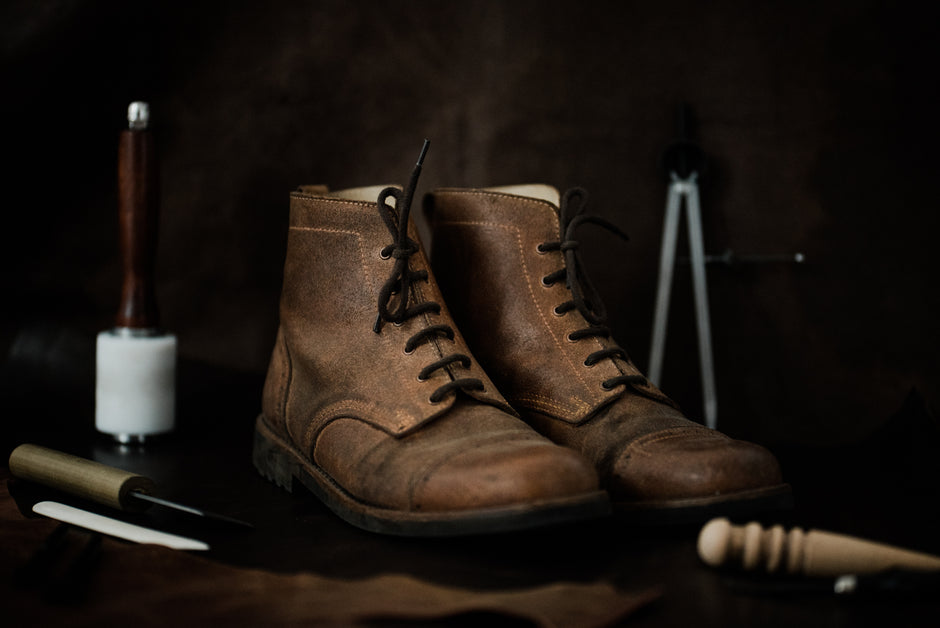
Leather boots designed to adapt over time:
Built with quality leather and construction that improves with wear instead of collapsing.
How Long Should Break-In Take?
There’s no fixed timeline.
Frequency of wear matters more than duration. Short, regular use speeds adaptation better than occasional long days.
For most quality leather boots, noticeable improvement happens within a few weeks. Full adaptation can take several months.
The Mistake That Creates Most Fear
Many buyers confuse firmness with poor fit.
A well-fitted boot can feel firm and still be correct. A poorly fitted boot can feel soft and still be wrong.
Understanding that difference removes most anxiety around break-in.
The Honest Conclusion
Break-in isn’t about enduring pain. It’s about allowing quality materials to do what they’re meant to do.
When boots are built properly, time becomes an ally — not a warning.