
Why Boots Made to Look Good Rarely Wear Well
Share
Why Boots Made to Look Good Rarely Wear Well
Some boots are designed to be worn. Others are designed to be admired.
The problem starts when the two are confused.
Many boots that look perfect on day one struggle once real life begins. Not because they’re poorly made, but because they were designed with the wrong priority.
Designing for First Impression vs Daily Use
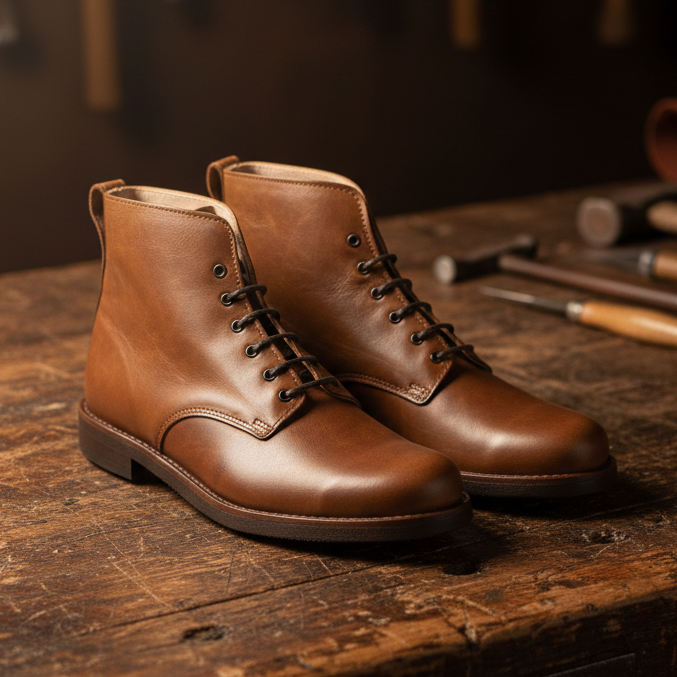
Visual appeal is easy to optimise. Clean lines, slim soles, flawless leather — all photograph beautifully.
Wear behaviour is harder to optimise. It only reveals itself after weeks and months of use.
When design choices favour appearance over behaviour, durability usually pays the price.
The Slim Sole Illusion
Thin soles and sharp profiles create an elegant silhouette. They also reduce material where wear is highest.
Under daily walking, these soles compress quickly, lose support, and offer little margin for repair.
What looks refined in photos often feels tired far sooner than expected.
Perfect Leather That Doesn’t Age Well
Many boots use heavily corrected leather to achieve a uniform, blemish-free appearance.
That surface looks impressive at first glance. Over time, it reveals its weakness.
Cracking, dryness and poor creasing are common signs of leather chosen for looks, not longevity.
Hidden Construction Choices
Construction is rarely visible in marketing images.
Glued soles, decorative stitching, and layered materials can all be hidden beneath a polished exterior.
These shortcuts reduce cost and visual bulk, but they also reduce lifespan.
What Happens After the First Few Months
Once daily wear sets in, boots designed mainly for appearance begin to show consistent issues:
- Loss of support underfoot
- Rapid sole wear
- Leather that creases poorly
- Discomfort that increases instead of fading
At this stage, regret often appears — not because the boots were ugly, but because they stopped working.
Why Behaviour Matters More Than Looks
Boots are tools. They bend, flex, absorb impact and carry weight.
When design ignores these forces, failure becomes inevitable.
Boots built for wear prioritise structure, material thickness and repairability — even if that makes them less dramatic in photos.
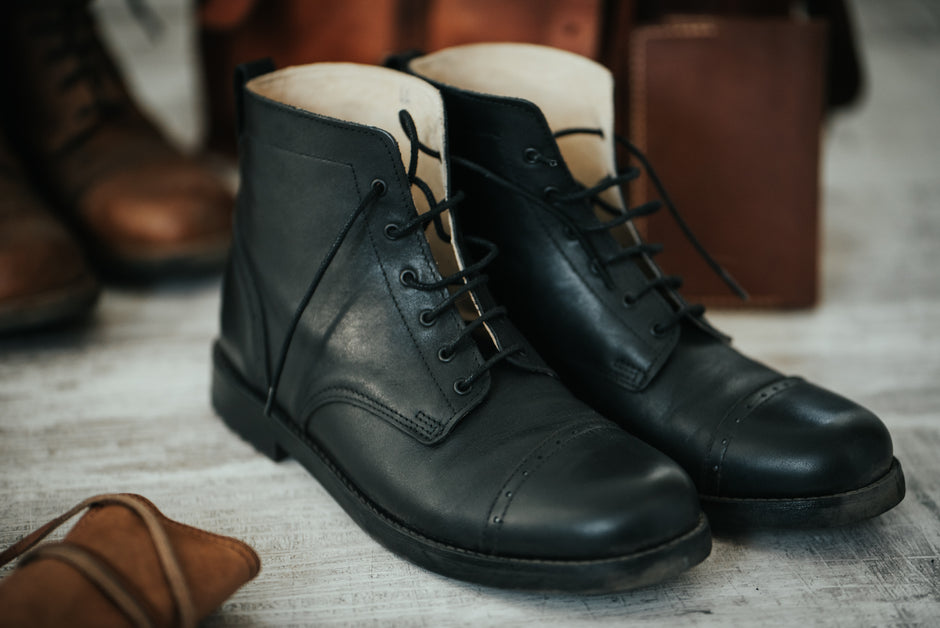
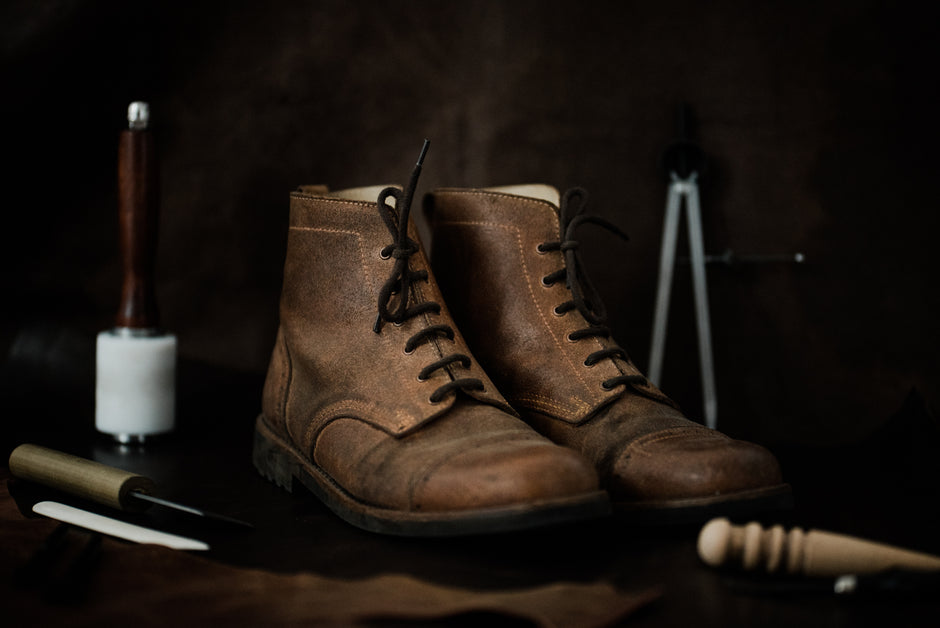
Boots designed to wear well over time:
Built to handle daily movement, flexing and long-term use without structural collapse.
The Trade-Off Most Buyers Don’t See
Appearance-first boots trade longevity for instant appeal.
Wear-first boots trade visual drama for lasting comfort and reliability.
Neither choice is wrong — as long as it’s conscious.
The Honest Conclusion
Boots designed to look good often succeed at exactly that — briefly.
Boots designed to wear well earn their appeal slowly, through comfort, patina and consistency over time.
The difference is not taste. It’s intention.